
Guides
What FSC-certified wood means for your home
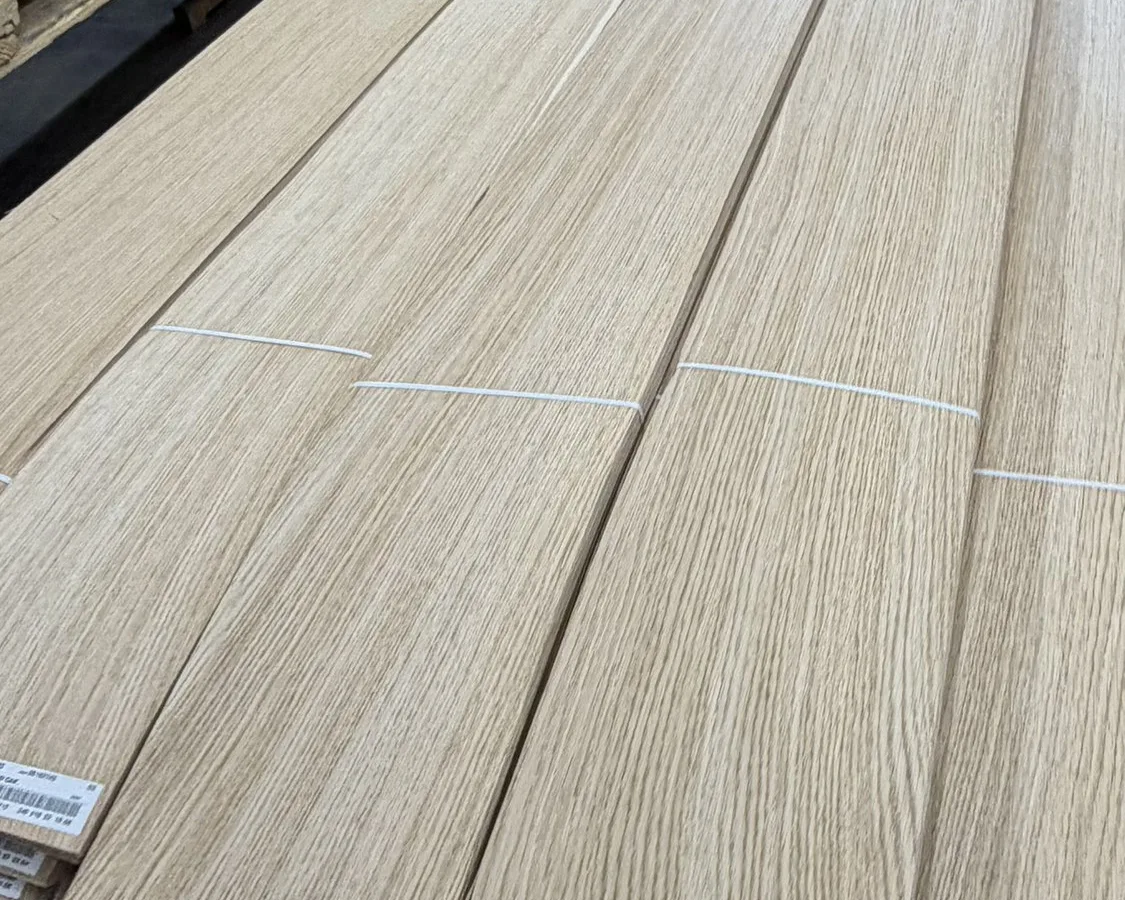
Sustainability claims are everywhere, and wood is no exception. “Eco-friendly”, “responsibly sourced” and “green” appear on everything from flooring to furniture, often with nothing behind them. One mark that does have something behind it is FSC, from the Forest Stewardship Council. If you’re planning custom cabinetry or millwork, it helps to know what that label actually means, what it doesn’t, and how to ask for it.
What FSC certification covers
The Forest Stewardship Council is an independent, nonprofit organization that sets standards for how forests are managed. A forest earns FSC certification when an independent auditor confirms it meets those standards. They cover how much is harvested and how, protection of wildlife and water, the rights of local and Indigenous communities, and fair, safe working conditions for the people who work there.
Certification doesn’t stop at the forest. For a finished product to carry an FSC claim, every company that takes ownership of the material along the way, from sawmill to veneer mill to supplier, must hold what’s called chain of custody certification. That’s the system that tracks certified material through the supply chain, so it can’t be quietly swapped for wood from an unknown source.
The three FSC labels
You’ll see three FSC claims on wood products and on supplier invoices:
- FSC 100%: all of the wood comes from FSC-certified forests.
- FSC Mix: the wood is a combination of material from FSC-certified forests, recycled material, and “controlled wood”. Controlled wood isn’t from certified forests, but it has been checked to keep out wood from unacceptable sources, such as illegal logging. Much of the certified plywood and veneer on the market carries this claim, because fully certified supply isn’t always available.
- FSC Recycled: all of the wood is reclaimed or recycled material.
All three are legitimate. FSC 100% is the strictest, and FSC Mix is the most widely available.
What it means in custom millwork
A piece of custom millwork is made of several materials, and each one can be sourced differently:
- Cores: the plywood and MDF that form cabinet boxes, doors and panels make up most of the material by volume. FSC-certified cores are widely available, often as FSC Mix.
- Veneers: the face you see. Certified veneer is available in many common species, including white oak and walnut. Availability depends on the species, the cut and the specific flitch chosen for a project.
- Solid wood: edges, details and drawer boxes. Certified solid lumber is available in many species, though not every species, grade or size is available certified at every moment.
So a fully FSC-certified project is possible, but it depends on the species and cut you choose, and sometimes on lead time. A rare figured veneer may simply not be available certified. A clear rift white oak usually can be.
How to ask for it, and how to check
The most useful thing you can do is ask early and ask specifically:
- Ask at the estimate stage, not after the samples are approved. It can affect species selection, cost and lead time.
- Ask which claim applies: FSC 100%, Mix or Recycled.
- Ask for documentation. Certified material comes with supplier invoices showing the FSC claim and the supplier’s chain of custody certificate number. A certificate number can be checked on FSC’s public database.
- If you’re pursuing a green building rating, such as LEED, tell your design team at the outset. Those programs have their own documentation requirements for certified wood.
Be careful with vague claims. “Sustainably sourced” with no certification behind it means very little. The value of FSC is that it can be verified.
Beyond the label
Certification is one part of building responsibly. A few other choices matter just as much.
Use material well. Veneer on stable cores gets far more visible surface from each log than solid wood does, and careful layout on the CNC reduces offcuts.
Use reclaimed wood where the design allows it. Reclaimed timber brings history and character, and keeps good wood in use. It isn’t right for every design, but where it fits, it’s worth considering.
Build it to last. The most sustainable cabinetry is the cabinetry you never replace. Millwork built to AWI Premium Grade, with durable joinery and finishes that can be repaired and refinished, will outlast trends and owners alike. A piece built once and kept for decades does more for the forest than any label.
The short version
FSC certification is one of the few wood sustainability claims that is independently audited and traceable. It’s widely available for the materials most custom millwork is made from, and it’s worth asking for. Raise it early, ask for the specific claim and the paperwork, and pair it with design choices that make the work last.
Planning a kitchen?
Share your drawings and timeline, and we'll reply within two business days.